
Design Your Health, One Smart Nudge at a Time

Today we explore Health by Design: Crafting Choice Architectures for Eating and Exercise, translating behavioral science into friendly, everyday moves that help meals and movement feel natural. Together we will build supportive environments, collect gentle feedback, share real stories, and run playful experiments that honor autonomy, reduce friction, and make the better choice dramatically easier, especially on tired, busy, wonderfully human days.

The brain on autopilot

When energy runs low, habits take the wheel, and surroundings function like a remote control for behavior. A fruit bowl near the coffee machine outcompetes a hidden cookie box; sneakers by the door outcompete a distant gym. By treating space as the scriptwriter of actions, we reduce negotiations, bypass decision fatigue, and help good intentions quietly become standard practice.

Defaults that do the heavy lifting

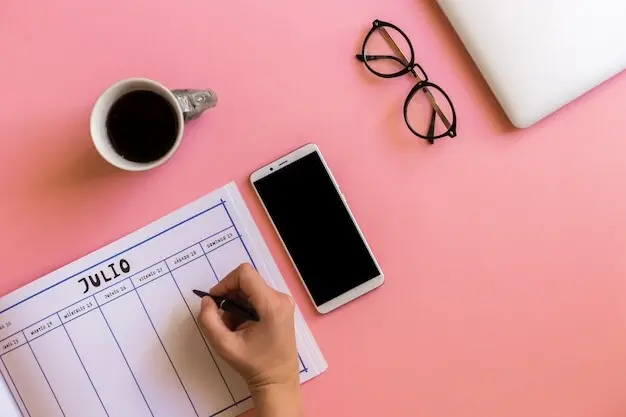
A calendar with pre-scheduled walks, water as the first beverage offered at meals, and a grocery list that starts with produce establish decisions before hunger strikes. Defaults create momentum without demands, offering a soft path rather than a push. Thoughtfully set, they protect your attention, reduce temptations, and make healthy behavior the simplest, most expected, wonderfully boring choice.

Friction and fuel

Tiny obstacles discourage actions, while tiny aids invite them. Pre-chopped vegetables on the front shelf beat whole produce behind jars. Resistance bands in a desk drawer spark mini-sessions between meetings. Conversely, sealing sweets in opaque containers or moving streaming remotes farther away adds helpful pauses. Adjusting friction changes outcomes with surprising grace and minimal motivation required.

Your five-minute pantry reset

Group wholesome staples at arm level and place treats on higher shelves so they require a ladder or a pause. Invest in clear bins for grains, legumes, and nuts; keep spices visible to invite flavor experiments. Print a quick-cook chart, store healthy snacks in front rows, and place can opener, knives, and cutting board together to eliminate time-killing scavenger hunts.

Fridge as a billboard

Use transparent containers for washed greens, sliced peppers, and cooked proteins on the top two shelves. Put leftovers behind produce so fresh foods go first. Keep a water filter or bottles within instant reach, nudging sips before hunger mimics thirst. A dedicated snack box with yogurt, cheese, fruit, and hummus becomes the path of least resistance during late-afternoon crashes.

Smart cart strategies

Begin shopping with produce and proteins, then add whole grains, leaving discretionary items for last when your cart already displays your intentions. Consider curbside or online orders with reusable lists that default to basics. Choose smaller carts to reduce impulse volume. Avoid wandering the dessert aisle when tired, and reframe checkout treats as a planned, mindful, celebratory choice, not background noise.

Movement Made Inevitable at Home and Work

Motion thrives when it becomes convenient, visible, and socially supported. You do not need hours; you need cues and short ramps. Strategic placement of gear, microbreak triggers, and calendar anchors transform exercise from an optional extra into a familiar rhythm. By designing routes, props, and rituals, you reduce startup cost, create momentum, and let movement accumulate almost accidentally throughout demanding days.

Feedback loops you will actually read

Swap chaotic app notifications for a weekly digest showing meals cooked, steps taken, and how sleep aligned with workouts. Color simple wins, not perfection. Add one reflective prompt asking what felt easy. When metrics illuminate next actions, not self-judgment, you keep learning, feel encouraged, and translate graphs into wiser defaults for your pantry, schedule, and recovery rituals.

Reminders that respect attention

Set reminders within realistic windows, not rigid timestamps. Trigger prompts by context, like leaving your desk or arriving at a park, rather than during deep work. Batch messages, use do-not-disturb during focus, and treat alerts as kind invitations. When cues arrive at the right moment with breathable wording, you accept them more often and protect your limited cognitive bandwidth.

Inclusive, Ethical, and Kind by Design

Supportive design respects autonomy, culture, budget, ability, and privacy. Helpful nudges never shame or hide intentions; they invite consent and adapt to lived realities. We balance effectiveness with dignity, ensuring options remain genuine, data stays protected, and language stays compassionate. When systems welcome diverse bodies and circumstances, healthy routines feel safe, sustainable, and proudly your own, not imposed.

Consent and transparency

Explain the purpose behind any nudge, disclose data practices, and invite opt-outs without penalty. Offer choices, not traps. In homes and workplaces, co-create guidelines so people understand how defaults are set and can personalize them. Trust grows when influence is honest and reversible, turning design from manipulation into collaboration where dignity leads and improvements are celebrated together.

Access and ability

Prioritize low-cost, low-tech options and flexible movement variations. Chairs can anchor strength work; stairs can replace machines; short loops accommodate different energy levels. Ensure signage, instructions, and visuals are clear and inclusive. Design kitchens and routines for varying mobility and neurodiversity. Equity grows when the easiest path fits many bodies and budgets, meeting people where they already live.

Compassion over perfection

Food is culture, memory, and joy. Movement is celebration, not punishment. Replace rigid rules with flexible guardrails, like an eighty-twenty approach and preplanned treats. Celebrate tiny steps, forgive interruptions, and honor recovery. Language matters: speak to curiosity, not guilt. Compassion keeps experiments alive long enough to become identity, outlasting fads and fueling steady, confident, quietly remarkable change.

A 30-Day Experiment You Can Start Today

Pick three design moves: a pantry reset, a two-minute movement trigger, and a weekly feedback digest. Measure only what guides your next step. Each week, refine layouts, defaults, and prompts. Invite a friend, share reflections, and reward consistency over intensity. By month’s end, notice how easier becomes normal and motivation follows environments that truly support your real life.
Lorodavoviro
Privacy Overview

This website uses cookies so that we can provide you with the best user experience possible. Cookie information is stored in your browser and performs functions such as recognising you when you return to our website and helping our team to understand which sections of the website you find most interesting and useful.